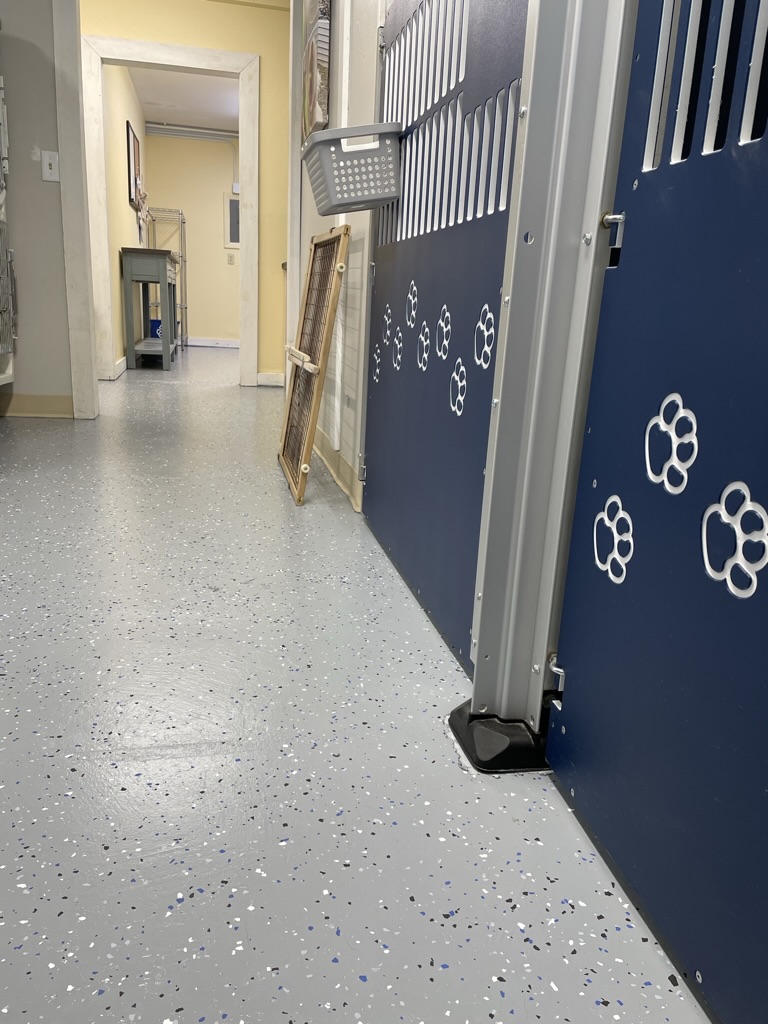
 Classic Boarding
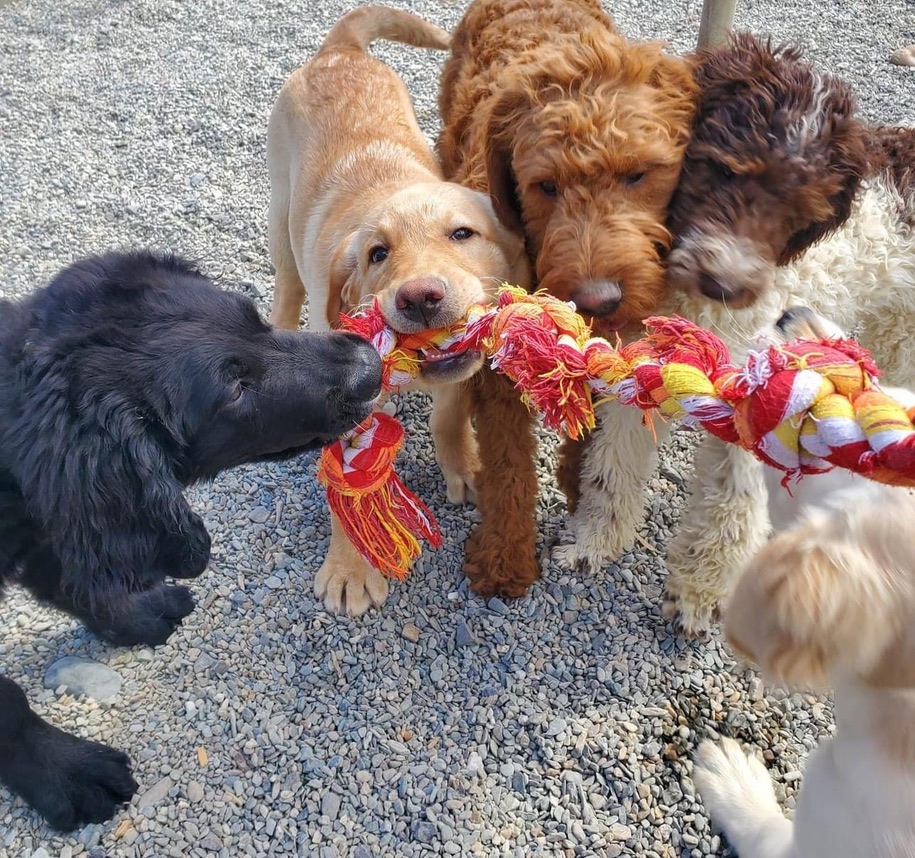 Deluxe
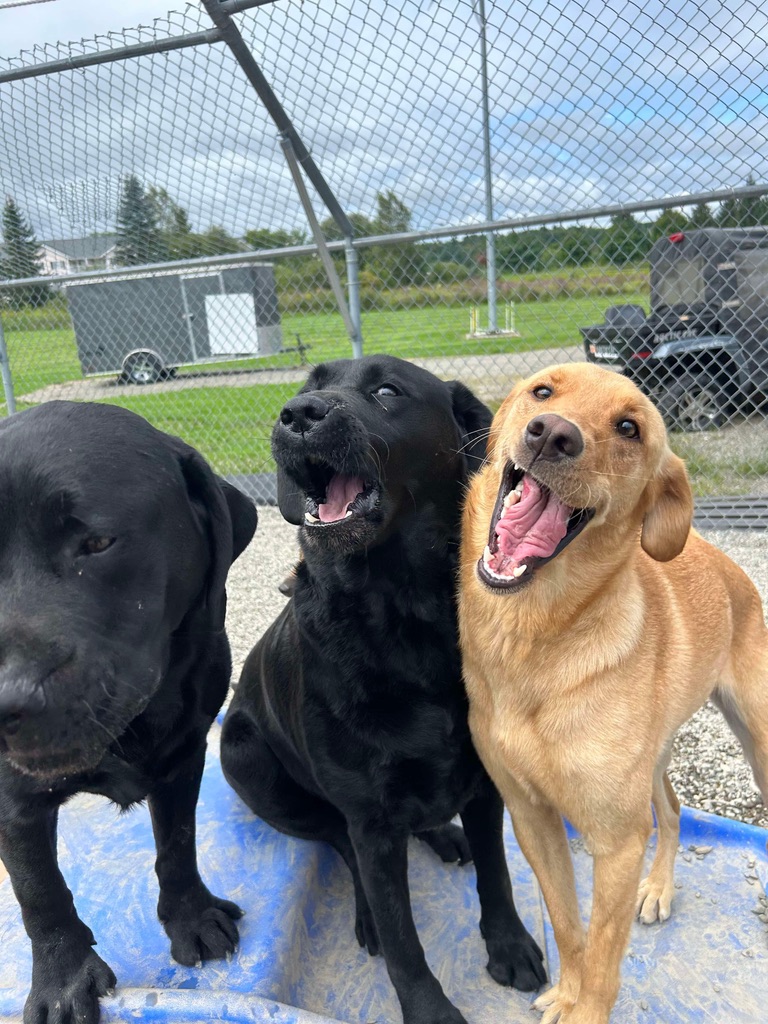 Family Rooms
 Cuddle Care Loft
 Senior Care
 Suites
 Feline & Small Pets
 Weekly Packages
 Bathing Services
 Full Grooming
 Ala Carte
Dogs can't tell us how they're feeling with words, but they're communicating all the time. Every wag, ear position, and body shift is part of a language that most dog owners only partially understand. Learning to read your dog's body language helps you respond to their needs, avoid misunderstandings, and build a deeper relationship with your pet.
Here's a guide to the most common signals dogs use and what they actually mean.
The Tail: It's Not Always About Happiness
Most people assume a wagging tail means a happy dog. That's sometimes true — but not always. The position, speed, and direction of the wag all matter:
- Relaxed, mid-level wag — This is the classic happy wag. The tail is at a natural height and swings in broad, loose strokes. Your dog is comfortable and content.
- Fast, tight wag with a high tail — This can indicate arousal or excitement, but it can also signal alertness or tension. A stiff, high tail that's vibrating rather than swinging is often a sign that the dog is on edge, not joyful.
- Low, slow wag — A tail held low and wagging slowly often indicates uncertainty or insecurity. The dog is unsure about the situation and is approaching cautiously.
- Tail tucked between the legs — This is a clear sign of fear or anxiety. The dog is trying to make themselves smaller and is communicating that they feel threatened or uncomfortable.
- Tail held rigid and still — A stiff, motionless tail (whether high or level) usually means the dog is focused intensely on something. This can precede a chase, a lunge, or simply a very alert state.
Ears: Direction Tells the Story
Ear position varies significantly by breed — a German Shepherd's erect ears communicate differently than a Basset Hound's floppy ones. But the general principles apply across breeds:
- Ears in their natural resting position — The dog is relaxed and at ease.
- Ears pushed forward — The dog is interested, alert, or focused on something. This is common when they hear a new sound or spot something in the distance.
- Ears pulled back or flattened — This typically signals fear, anxiety, or submission. If combined with other stress signals like lip licking or a tucked tail, the dog is uncomfortable. However, some dogs also pull their ears back during friendly greetings — context matters.
Eyes: The Window to Their Emotional State
A dog's eyes reveal a lot about how they're feeling:
- Soft, relaxed eyes — The dog is calm and comfortable. Their eyelids are relaxed and they may blink slowly. This is the look most owners recognize as their dog being content.
- Hard stare with wide eyes — A fixed, unblinking stare is often a warning sign. In dog communication, direct eye contact can be a challenge or a sign of tension. If a dog is staring at another dog or person with a rigid body, give them space.
- "Whale eye" (showing the whites) — When a dog turns their head but keeps their eyes fixed on something, you'll see a crescent of white around the iris. This is commonly a sign of anxiety or discomfort. Dogs often show whale eye when they're guarding a resource or feeling cornered.
- Squinting or blinking — Slow blinking and soft squinting are generally signs of relaxation and trust. Some dogs do this during affectionate moments with their owners.
Mouth and Facial Expressions
Dogs use their mouths for more than eating and barking:
- Relaxed, slightly open mouth — Often described as a "dog smile," this open-mouth expression with a loose, hanging tongue indicates a relaxed, happy dog.
- Lip licking (when no food is present) — Frequent lip licking in the absence of food is a common stress signal. Dogs do this when they're nervous, uncomfortable, or trying to appease someone they perceive as threatening.
- Yawning (when not tired) — Like lip licking, yawning outside of sleepy contexts is often a displacement behavior — a way of coping with stress or tension. If your dog yawns repeatedly in a new environment or during an interaction, they may be feeling uneasy.
- Showing teeth with a wrinkled muzzle — This is a clear warning. A dog that's pulling their lips back to expose teeth, especially with a wrinkled nose and a tense body, is telling you to back off. This should always be taken seriously.
- Panting (when not hot or exercised) — Heavy panting in a cool, calm environment can be a sign of stress or anxiety, not just heat regulation.
Body Posture: The Whole Picture
Individual signals are important, but body posture gives you the full picture:
- Loose, wiggly body — A relaxed dog moves fluidly. Their weight is evenly distributed, their muscles aren't tense, and they may wiggle their whole body during greetings. This is a dog that's comfortable and happy.
- Play bow (front end down, rear end up) — This is one of the most recognizable dog signals. A play bow is an invitation to play and is a sign of friendliness. Dogs use it with other dogs, with people, and sometimes even with other animals.
- Leaning forward with weight on front legs — A dog shifting their weight forward is showing confidence or interest. In some contexts, this can also be a precursor to lunging or chasing.
- Leaning back or crouching — Shifting weight backward indicates uncertainty or a desire to retreat. The dog is creating distance and may be preparing to flee if the situation escalates.
- Rolling over and exposing the belly — This can mean two very different things depending on context. A relaxed dog rolling onto their back with a loose body is inviting belly rubs and showing trust. But a tense dog rolling over with a stiff body, tucked tail, and averted eyes is showing submission out of fear — they're not asking to be touched.
- Freezing or going very still — A dog that suddenly stops moving and becomes rigid is often stressed or about to react. This momentary freeze is a warning that many people miss. If a dog freezes while being petted, while another dog approaches, or while near food, give them space immediately.
Common Misread Signals
Some of the most common dog bites and negative interactions happen because humans misread canine body language. Here are signals that are frequently misunderstood:
- A wagging tail doesn't always mean "pet me." As discussed above, tail wagging indicates arousal, not necessarily friendliness. Always look at the whole body before approaching.
- A dog showing their belly isn't always asking for rubs. Fearful submission looks very different from relaxed trust, but the physical position is similar. Check for tension in the body and face.
- Jumping up isn't always excitement. While many dogs jump out of happy excitement, some jump as a displacement behavior when they're overstimulated or anxious.
- "Smiling" can be a sign of stress. Some dogs pull their lips back in a way that looks like a human smile but is actually a submissive grin or an appeasement gesture. The key difference is in the rest of the body — a truly happy dog has a loose, relaxed body to go with their expression.
Why This Matters
Understanding your dog's body language isn't just interesting — it's practical. It helps you:
- Recognize when your dog is stressed so you can remove them from uncomfortable situations before they escalate.
- Introduce your dog to new people, dogs, and environments more safely.
- Understand what your dog enjoys and what they merely tolerate.
- Prevent bites and negative interactions, especially involving children who may not recognize warning signs.
- Build a stronger bond based on understanding rather than guesswork.
The more you practice observing your dog in different situations — at home, on walks, meeting new people, interacting with other dogs — the better you'll become at reading their signals. Over time, this understanding becomes second nature, and you'll find yourself responding to your dog's needs before problems arise.
How This Helps at Daycare and Boarding
Understanding body language isn't just useful at home — it's essential in social settings like daycare and boarding. At Carden Kennels, our trained staff constantly monitors body language to ensure every dog feels safe and comfortable. Our enrichment activities are designed to match each dog's comfort level, and options like the Cuddle Care Loft provide a calmer environment for dogs who show signs of stress in group settings.
If you're preparing for your dog's first boarding experience, check out our guide on how to prepare your dog for their first boarding stay. And for senior dogs whose body language may change with age, read our tips on caring for senior dogs.
Want to see our facilities? Browse our photo gallery, review our rates, or start the application process today.
Recommended Resources
If you want to learn more about canine body language and communication, these are well-regarded resources in the field:
- "On Talking Terms With Dogs: Calming Signals" by Turid Rugaas — A classic guide to the subtle signals dogs use to communicate with each other and with us.
- "Canine Body Language: A Photographic Guide" by Brenda Aloff — A visual reference with hundreds of photos showing the nuances of dog communication.
- The ASPCA's online guide to canine body language — A free, accessible overview of the basics.
Every dog is an individual, and learning your specific dog's signals and quirks is part of the joy of dog ownership. Pay attention, stay curious, and your dog will tell you everything you need to know.